

In this week’s literature, I was shocked to see the implications COVID-19 had on the social work profession in its entirety. Balogun et al. (2025) discussed the expansive use of telehealth to meet diverse client needs, such as case management, mental health counseling, and connecting with vulnerable populations, specifically in rural areas, during the pandemic. I was a teenager during COVID-19, so I was unaware of many barriers social isolation placed on our profession. One form of telehealth services that I was unaware of was the discreet channels available for domestic violence survivors (Balogun et al., 2025). Individuals in these environments are especially vulnerable, so having access to services discreetly allows for safety and a sense of security.
One area that really stood out to me was the burden on vulnerable populations, such as individuals with disabilities, low-income households, and individuals experiencing domestic violence, to access services (Balogun et al., 2025). This realization allowed me to have a new appreciation for telehealth platforms, which help ease the financial and logistical barriers to clients and service providers. I agree with the article’s emphasis on the importance of telehealth options for these populations. However, vulnerable populations, especially in rural areas, also need universal education regarding the operation of technology and the skills needed to conduct a telehealth appointment. This potential barrier was also discussed and written as a limitation to connecting with remote clientele (Balogun et al., 2025). Overall, I agree with the use of telehealth for vulnerable populations and the need for more educational support for them. In my opinion, ensuring clients have access to technological devices, internet connection, the skills required, and other essential means to receive support via telehealth was the most significant challenge.
An area that was not discussed in this article was vocational and employment-based services through telehealth. As virtual communication grew throughout the pandemic, so did remote jobs, which led to many individuals working from home. I am curious to know if there were vocational services provided through telehealth at higher rates, and if so, if those skills assisted clients in employment at different rates than in-person interventions.
In the article, Exploring telemental health practice before, during, and after the COVID-19 pandemic, I was shocked to learn that in their study, 57.7% of providers used telehealth for over half of their caseload (Zhu et al., 2024). I am from a rural area in Northwest Georgia, and during the pandemic, many of our local mental health providers continued in-person sessions and required masks and 6ft of distance between people. Due to my initial bias, these statistics challenged my assumptions regarding telehealth usage. Although more research is needed, the article suggests professionals who participated in the study were inclined to continue telehealth service following the pandemic. (Zhu et al., 2024). I did not expect this reaction as I assumed telehealth would add yet another burden to professionals. However, as I read, I learned that the virtual platform relieved some of their previous burdens of providing services.
Two factors that contributed to whether a professional would continue telehealth services were their confidence in practicing via telehealth successfully and the support they received from their employers, such as training on how to operate telehealth efficiently (Zhu et al., 2024). With these two factors in mind, it may help explain why rural providers were less inclined to conduct telehealth services with clients remotely.
This week’s readings allowed me to grow a new appreciation for telehealth in social work. If effective supports are put in place for both professionals and clients, I can understand how telehealth can allow vulnerable and marginalized populations to have access they may not have had prior. In my current setting, I work at a child advocacy center. For advocacy purposes of following up with families and goal tracking, I believe telehealth could be beneficial; however, with limited funding and the rural areas we serve, I believe we would need more factors in place prior to integrating this technology.
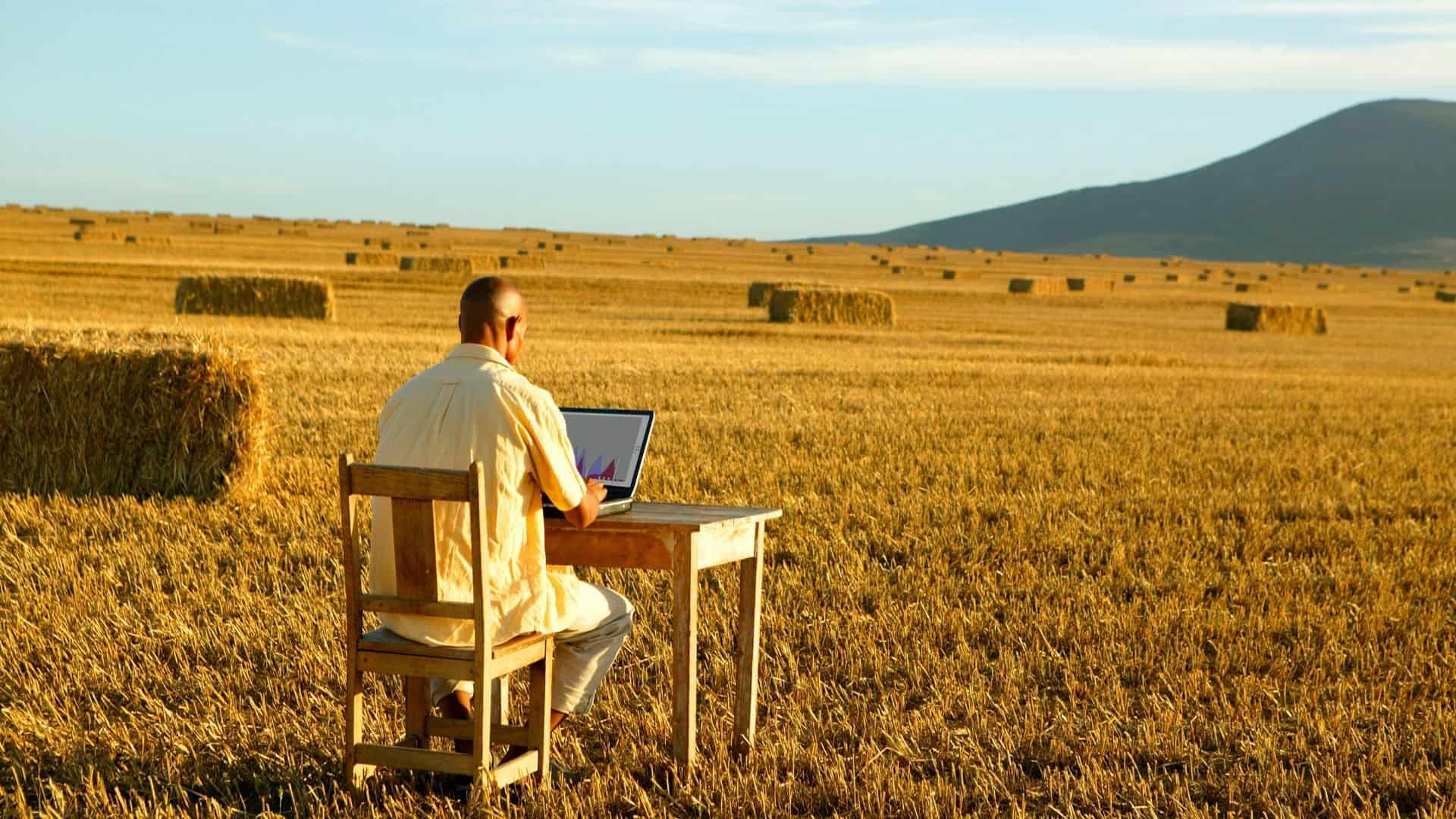
Overall, I hope to see telehealth become a new way of closing the gap between marginalized populations and resources. I am eager to see the enhancements in services, as well as adjustments to ensure confidentiality and ethics are upheld. I look forward to learning more about technology in social work and how we as professionals can support vulnerable individuals more effectively.
I found a short video on YouTube that tells the story of a woman named Jill who lives in rural California. Jill shares mental health challenges she faced in her rural community and how telehealth helped her overcome barriers to support. I will attach it below if you would like to watch!
Hi Kailey!
I also don’t think I really think about how beneficial telemedicine can be for domestic violence survivors. I do believe it is a great resource for them since they don’t have to travel anywhere and hopefully somewhere they feel secure. I enjoyed how the article made you appreciate the idea of telemedicine a lot more. It can be seen that this type of resource is beneficial for those who can’t attend in-person appointments. And it eliminates the stress of having to overcome those barriers they may have. I think I have also grown an appreciation for telemedicine after reading all the beneficial aspects it has towards individuals who struggle to get the services they need. Telemedicine relieves the stress they may feel. But I like how you included the importance of education on how to use this type of format. I would believe that if they know how to use the format in its entirety, I think they would have a greater experience than if they had no idea how to use it. After seeing the video about Jill, it did make me rethink my doubts on telemedicine. My main doubt was not having the in-person interaction and it being a negative factor. But after seeing how, despite her sessions being through Telehealth, she still receives the quality interaction. Maybe in the end, the purpose of the service matters more than whether it is in-person or not. I loved your thoughts!
Kailey,
The impact of COVID-19 was dramatic across all of our society. In fact, there is an excellent article by the New York Times that talks about how that reality impacted all of our culture. Here is a link to the full article (not requiring a subscription) that gives you an amazing picture (both graphically and with the article itself) about how many things changed as a result of that experience. It’s best read on a computer or tablet where you can best see the images.
https://www.nytimes.com/interactive/2025/03/04/opinion/covid-impact-five-years-later.html?unlocked_article_code=1.t1A.F6cf.yNXknUZcvsY8&smid=url-share
At the time, I was providing educational services to older adults, and I worked to get 40 70 and 80 year olds on Zoom so we could offer them group meetings and classes virtually. Many of them were terrified and we lost more than a few (80% of the 1 million people sho died od COVID were over 65). But I was amazed at their resilience and their ability to learn the technology and hang in there when it presented problems. There are many who would say that when we met on Zoom with our older adults it was classic group therapy. Our folks were all over the metro area rather than rural, so access to broadband wasn’t as much of a problem. I also worked with a group of lower income older adults, and for them we had to create alternatives to broadband, as many of them either couldn’t access it or couldn’t afford it. One of the positive results of the pandemic was the introduction of low cost broadband, partly due to the bipartisan infastructure bill.
So when you talk about the shock of the impact on our profession, I was shocked by the impact on everything. And I learned that if the motivation is strong, anyone can learn to manage technology. What surprised me in the article was that even when given an option following COVID, both clients and professionals stayed with telementalhealth.
What Balogun and all are doing in this article is trying to give us a picture – through their review of the literature – about where things stood before and early into the pandemic, particularly with the vulnerable. I too thought the comment about domestic abuse was interesting. It wasn’t that they had special “channels” so to speak, but rather that these folks felt safer when they didn’t have to be seen going to a therapist. We were more concerned during the pandemic about youth who were experiencing violence because we weren’t sure they were able to talk with a therapist or interviewer without others listening in to the conversation. It’s the reality that one solution doesn’t fit all clients, right? So you probably already are aware of this dilemma since you work at a Children’s Advocacy Center.
There were real differences in technical resources in rural areas at the beginning of the pandemic, so I understand that therapists met with clients in person and took precautions. Now that seems to actually be turning upside down, as the utilization of telehealth in rural areas is greater because of the lact of providers and the distance that needs to be traveled.
Last thing – if you use the featured image function in the blog post, it will place your image right at the top of your post. It’s located on the right hand side of the post screen, all the way at the bottom. I go through the process in the intro video on making blog posts if you need it.
Good discussion.
Dr P