
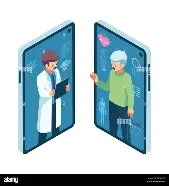

When I read the article Integrating Telehealth Services in Social Work Practice for Vulnerable Groups, I was expecting telehealth services to be used for mostly counseling and medical appointments, but I was surprised by how many different ways social workers use it. I didn’t realize telehealth services could be used for crisis intervention, support with domestic violence, parental education, and virtual support groups (Balogun et al., 2025). It showed me that telehealth can be more than just video appointments. I feel that the way telehealth is set up, it has the potential to make a meaningful difference for vulnerable populations. I agree 100% that telehealth could make a great deal of difference in their care because many vulnerable populations face barriers that make it difficult to access services. Social determinants of health have such a major effect on the way that a patients receive care because it’s factors that are out of their control yet control every possible outcome unless there is a means of intervention. Transportation, childcare, work schedules, and physical disabilities can cause a barrier and can all prevent people from attending appointments. Telehealth creates another option and can make services more accessible for people who might otherwise go without support. One thing I think the authors could have discussed more is privacy within the home. Although telehealth increases access, some people may not have a private space where they feel safe discussing sensitive issues. Another thought is how can older adults that may struggle with technology, along with the homeless population who lacks internet access. There are a few issues that present themselves in relation to telehealth services, but one of the biggest challenges presented is the digital divide. the other concerns involve having adequate internet access, digital literacy, and possible issues with information remaining confidential. The digital divide arises because if the patient doesn’t have internet access, doesn’t use a smartphone, or lacks computer skills to properly use the device, then they won’t be able to have a telehealth appointment.
In comparison, Exploring telemental health practice before, during, and after the COVID-19 pandemic focused on what providers were actually experiencing when it came to the pandemic. I was amazed at how quickly practitioners adapted to telehealth due to many providers initially being uncomfortable using the platform, then becoming adaptable during the pandemic. The daily telehealth use increased from 17% to 40%, demonstrating how quickly professionals can adjust when circumstances require it. The rate was a bit higher than I expected. While I knew telehealth became popular during COVID-19, I was surprised that so many practitioners shifted a large portion of their caseloads to remote services. There are two factors that are affecting future use of telehealth services. The first factor is rural providers continuing to use telehealth services due to their clients often living further away. The second factor would be the matter of insurance reimbursement and payment methods because providers won’t be able to receive the proper compensation and would be less likely to continue with telehealth services (Zhu et al., 2024).
I believe that telehealth will be a valuable tool in my future social work practice, particularly in healthcare settings. Many clients face barriers such as transportation issues, childcare responsibilities, or chronic illness, for example. Telehealth can help bridge those gaps and ensure clients remain connected to services. At the same time, I don’t believe telehealth should completely replace in-person interactions because relationship building and human connection remain important aspects of the social work profession. Instead, I see telehealth as a tool that can add real benefit to patients by giving them greater access, connection, and continuity of care.
References
Balogun, A. K., Dada, S. N., Kazeem, O., & Bakare-Adesokan, K. A. (2025). Integrating telehealth services in social work practice for vulnerable groups. World Journal of Advanced Research and Reviews, 25(1), 1984–1991. https://doi.org/10.30574/wjarr.2025.25.1.0248
Zhu, D., Paige, S. R., Slone, H., Gutierrez, A., Lutzky, C., Hedriana, H., Barrera, J. F., Ong, T., & Bunnell, B. E. (2024). Exploring telemental health practice before, during, and after the COVID-19 pandemic. Journal of Telemedicine and Telecare, 30(1), 72–78. https://doi.org/10.1177/1357633X211025943
Hi, Delandria! I can agree that my first thought of telehealth was simply video calls, anything involving intake services or therapy sessions done over Zoom. The social determinants you included were needed, and maybe an oversight by the authors of the article. I think the heaviness of the article, and why telehealth is so important in this day and age could have made more of an impact if these determinants were added, especially with raising costs of gas, childcare and more. The notion that telehealth creates a private space for clients to share is one I hadn’t considered before. I enjoyed reading you blog post!
Hi, Delandria! I enjoyed reading your reflection. I agree with you that telehealth has its advantages and disadvantages. Telehealth has helped tremendously for people who face barriers like transportation. Then there is the flipside of the coin, where telehealth can be difficult for the vulnerable population who face technology illiteracy. As a social worker, I believe it is one of the ways we can help people bridge that gap. Even when bridging the gap, I still think that human interaction as a social worker is essential. I agree that human interaction is an important aspect of being a social worker. As technology advances, I hope we continue to keep this aspect alive.
Hello Delaria, excellent post! Telehealth is an important resource for overcoming challenges like transportation, childcare, busy work schedules, and physical disabilities that often keep people from attending appointments. By providing an alternative means of accessing services, telehealth ensures that individuals who might otherwise be excluded can still receive support. I appreciate you highlighting privacy concerns with telehealth, since not everyone has access to a safe or confidential space for sensitive discussions. I also agree that telehealth will be a useful tool in future social work practice, particularly within healthcare settings.
Dria,
Good discussion of the articles and your own thoughts and experiences. I agree that a safe space for digital communication is a huge issue. Also the digital divide presents us with significant challenges that have been exacerbated by this new tech.
That is also indicative of the insurance issues that have been with use before technology-mediate practice was an issue, right? I think rural settings are going to become more and more significant in terms of access to services, as the closing of rural hospitals are creating real crises in care.
Good discussions.
Dr P