

Section 1: The Algorithm Isn’t Responsible I Am
The part of Reamer’s work that made me uncomfortable was not the idea that technology can create ethical issues. I think most people already understand that social media and AI come with risks. What made me uncomfortable was realizing how easy it is for professionals to unintentionally participate in harm simply because we do not fully understand how these systems work.
As someone who uses technology every day, including AI tools, I had to examine my own relationship with these platforms. It is easy to think, “I know technology has risks, but I am using it responsibly.” However, awareness does not always mean we understand the full impact. Sometimes we do not recognize harm until we see it happen to ourselves, someone we know, or the people we serve. That is what concerns me as a future mental health professional. We may believe we are using technology as a helpful resource while overlooking how it can affect privacy, judgment, relationships, or a person’s ability to think independently.
The ethical tension from Reamer that stood out to me was the idea of the algorithm as an “accomplice.” I found this uncomfortable because algorithms can create situations that nobody intentionally chose. For example, social media platforms like Instagram, Facebook, or TikTok can recommend accounts, posts, or connections based on patterns we may not even understand. A social worker could unintentionally come across a client’s personal information because a platform placed it in front of them.
I do not think the algorithm removes responsibility from the professional. Once we become aware of information, we have an ethical responsibility to decide how we handle it. Saying “the algorithm showed me” cannot be used the same way someone might say, “I did not mean for this boundary to happen.” At the same time, I think this creates a new challenge for social workers because ethical practice now requires digital awareness. We have to understand not only our own actions but also the systems influencing our interactions.
Section 2: Vulnerability Changes the Conversation
If I had to explain my ethical position to a client, I would tell them that technology is a part of our world, but protecting their privacy and keeping trust comes first. I would want clients to know what technology I am using, why I am using it, and what limitations exist. Trust cannot be replaced by convenience.
Haidt’s work made me think about technology through the lens of vulnerability. While his research focuses heavily on adolescents, I think the conversation becomes more complicated when we consider different populations. For example, LGBTQ youth may access platforms such as TikTok, Instagram, Reddit, or Discord to find community and acceptance. These spaces can provide connection that may not exist in their immediate environment. However, the same platforms could also expose young people to comparison, misinformation, damaging content, and dependence on online validation.
This is where I think Haidt’s argument requires more complexity. The question is not simply whether social media is harmful. The question is: harmful compared to what? For some youth, disconnecting from online communities may mean losing one of their only sources of support.
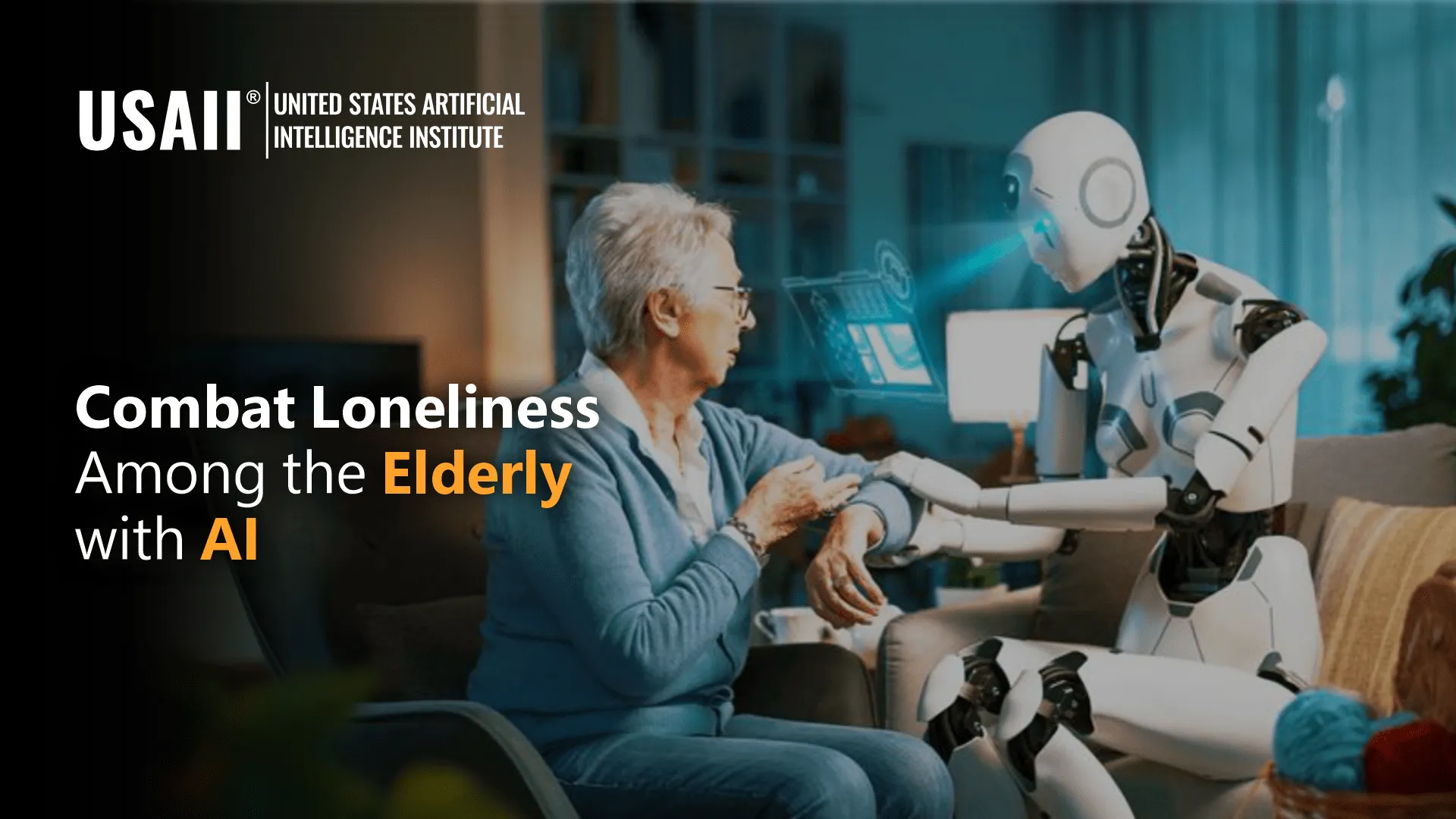
I also think about older adults experiencing isolation. Technology may not always be replacing meaningful relationships because some individuals may already lack consistent social connection. Apps like Facebook or video calling can create possibilities to connect with family, friends, and support networks. The concern is whether technology is helping someone build relationships or becoming a replacement for human connection.
My biggest takeaway from both Reamer and Haidt is that technology itself is not the only issue. The larger issue is vulnerability and whether people understand how these systems influence them. As future social workers, we cannot assume technology is harmless just because it is convenient. We have to approach AI and digital tools with open-mindedness, caution, and ethical awareness. Technology can support our work, but it should never replace critical thinking, human relationships, or the responsibility we have to the people we serve.
Precious,
Nice job on this post.
Dr P