

Balogun, et al.(2025)
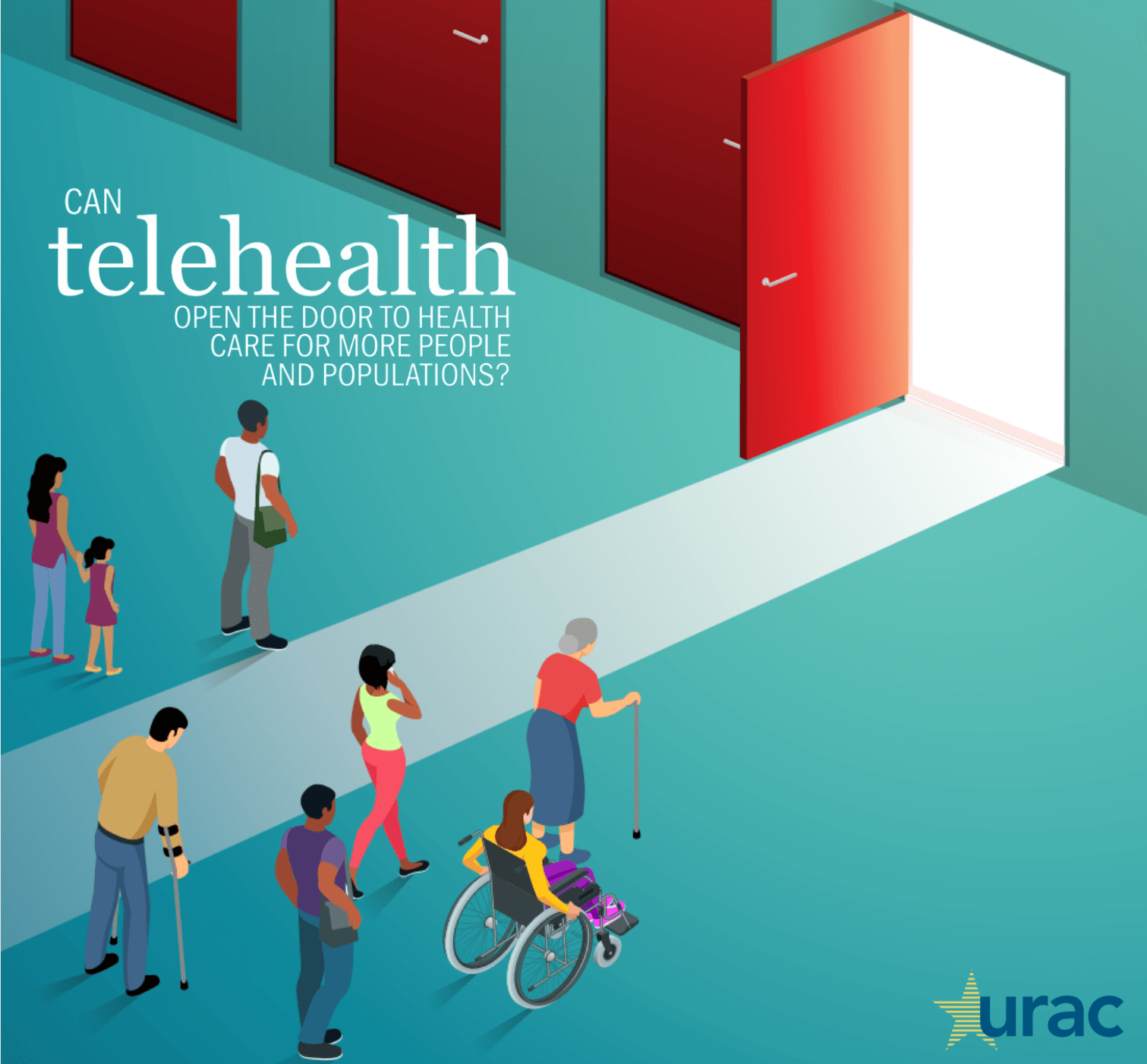
It was interesting to read about the impact of telehealth since the COVID-19 pandemic. One thing that stood out for me was the discussion about using telehealth in crisis intervention and support services, particularly for survivors of domestic violence. I had not previously considered how telehealth could provide a safer and more discreet way for individuals experiencing abuse to access support and safety planning. As someone who completed my BSW field placement at a domestic violence agency, I can see how this could remove barriers for clients who may not be able to attend services in person.
I agree with Balogun et al. (2025) on the benefits of telehealth for marginalized populations. Many of the clients on my caseload have many barriers, such as transportation issues, physical disabilities, limited income, or not having the resources needed. Telehealth can make services easier to access by allowing clients to connect with providers from home. I have observed that the use of telehealth can reduce missed appointments and improve continuity of care because patients become more engaged with services.
For me, one area that could have been discussed further is the use of telehealth for case management services. Much of the article focused on counseling, therapy, and crisis intervention. However, social workers also use telehealth to apply for benefits, access housing resources, complete assessments, and coordinate services.
As a current case manager, I find that many interactions occur by phone or via virtual platforms, making telehealth an important tool beyond clinical services. In my opinion, the major challenge in telehealth is the digital divide. Telehealth can be effective if clients have access to stable internet, appropriate devices, and the skills needed to use them. Many marginalized populations lack these resources, creating additional barriers.
Zhu, et al. (2024)
What surprised me most about the practitioner’s responses was how quickly many providers became comfortable using telemedicine. Before the pandemic, some providers were hesitant about virtual services. However, the study found that comfort levels increased significantly once providers began using telemedicine more. This did surprise me because I thought there would have been more pushback, but, of course, with the pandemic, many providers did not want to lose money. So they had to learn to become more comfortable with the technology that came with telehealth.
The rate of telehealth use during the pandemic was higher than I expected. The study showed that a much larger percentage of providers were serving their patients remotely during COVID-19. While I expected an increase due to social distancing requirements, I did not realize the extent to which telehealth would become the primary method of service delivery for many providers.
Two factors that influenced practitioners’ plans to continue using telemedicine were geographic location and reimbursement. Providers who have clients in rural communities were more likely to continue using telemedicine because it helps address transportation and access barriers. Providers who were reimbursed more consistently, particularly those who used self-pay models, were more likely to continue using telehealth services.
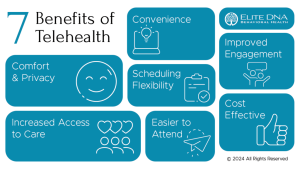
Personally, I have a positive view of telehealth in my role as a case manager and personally using Grow therapy for grief counseling. I see telehealth benefits clients who struggle with transportation, work schedule, physical health, and other barriers. However, I do not believe telehealth should completely replace in-person services. Some clients do benefit from face-to-face interactions. The best approach is the combination of telehealth and in-person services. This allows clients the option and flexibility to get the best care.
References
Balogun, A. K., Dada, S. N., Kazeem, O., & Bakare-Adesokan, K. A. (2025). Integrating telehealth services in social work practice for vulnerable groups. World Journal of Advanced Research and Reviews, 25(1), 1984-1991. https://doi.org/10.30574/wjarr.2025.25.1.0248
Zhu, D., Paige, S. R., Slone, H., Gutierrez, A., Lutzky, C., Hedriana, H., Barrera, J. F., Ong, T., & Bunnell, B. E. (2024). Exploring telemental health practice before, during, and after the COVID-19 pandemic. Journal of telemedicine and telecare, 30(1), 72–78. https://doi.org/10.1177/1357633X211025943
Thanks for sharing your personal experience with using telehealth and its positive effects as a case manager. I’d be interested to know more to the extent that you use telehealth in your daily work as well as some of the challenges, if any, you have faced using telehealth services. I agree with you that I feel the digital divide is a significant barrier to telehealth effectiveness, especially to vulnerable populations. I remember during my internship for my BSW, trying to teach residents digital literacy. It was a very difficult task since some only had access to devices at the community center, so our sessions were the only time they really interacted with some technology. This resulted in progress being very slow when trying to teach how use technological devices properly since it felt like every session we had to start over because they didn’t have access to a device at home to practice on. I also agree that telehealth shouldn’t be a standalone service, at least at this stage to my knowledge. In addition to some clients preferring in-person sessions, I think in-person is still relevant to ensuring a client’s well-being and having physical social interaction.
In my role as a case manager, I use telehealth daily primarily through phone calls or follow-up emails. Telehealth allows me to follow up with clients, as I stated earlier, assist with housing applications, connect them to community resources, coordinate care with our doctors, nurses, clinicians, and conduct wellness checks when meeting in person is difficult. One of the biggest benefits I have seen is increased accessibility. Many of the clients I work with face transportation barriers, health concerns, or scheduling challenges, so telehealth helps them stay connected to services they might miss. However, some clients do not have reliable internet access or the technology skills needed for telehealth. For example, I can have a client who was recently added to my caseload for assistance with applying for benefits. I may not be able to schedule the client for a face-to-face until after a week, but he wants to apply for SNAP as soon as possible. I can guide him over the phone to gateway.gov to create an account and log in to begin the process. The client will tell me he doesn’t know how to use the internet on his phone, but he can’t wait to meet with me. So I assist him in creating the account on my end over the phone and in filling out the SNAPS application with him over the phone. I will email him the SNAPS confirmation number so he can see that he has applied for SNAPS, and I will schedule a follow-up meeting with him for next week. I also find that I build better rapport with a client once they meet me after talking to me over the phone. I believe that telehealth is a valuable tool when used with in-person services
Your case management point is one I fully agree with. The Balogun paper really did focus on counseling and crisis work and left out the case management piece, which is where so much of the actual social work happens. Applying for benefits, accessing housing resources, coordinating services. Telehealth has reshaped that side of the work too. Thanks for mentioning that. Your DV piece moved me. Having done your BSW field placement at a DV agency, you have seen up close what barriers actually look like for survivors. Telehealth can be a real lifeline when a survivor accesses it from a shelter, library, or other safe location, but I imagine that the in-home version can carry risk if the abuser is watching the phone or in the next room. I just want to voice that it because they defined telehealth as discreet. It definitely can be. Your point about combining telehealth and in-person services is where I agree as well. It is not all or nothing. The flexibility to offer both is what lets us meet clients where they actually are. Thank you for sharing your case manager perspective and your own use of Grow Therapy.
Hii! I’m not sure how, but I think I missed Balogun talking about domestic violence survivors. I think it is so important that you pointed it out. It is a real problem of clients searching for help, but also facing the challenge of being tracked or watched. Even if they are out of their dangerous situation, the comfort that would come from receiving services from inside their home is amazing.
I can agree that practitioners warming up to telehealth so quickly is surprising, though seeing as they didn’t have much of a choice, I’m glad to see it all worked out. To your point, telehealth should definitely not completely replace in-person services. There are definitely benefits to in-person services.
Asabea,
Just an FYI, if you put your image in the featured image part on the post page, you don’t have to add it in the post itself. It will show up at the top automatically.
Really good addition of case management to the list of things telehealth can impact. The idea of information and referral has changed signficantly with the introduction of a variety of technologies.
The digital divide is at the core of this debate, and the concern is that this will get worse, not better. I believe that the digital divide will outpace the other inequalities that we face in our culture.
In terms of the relationship between telehealth and in person contact, I think we always have to start where the client is, right? We have talked about this a bit, and I will be talking about it more in a brief video I am creating after reading all of your blog posts.
Good discussion.
Dr P