
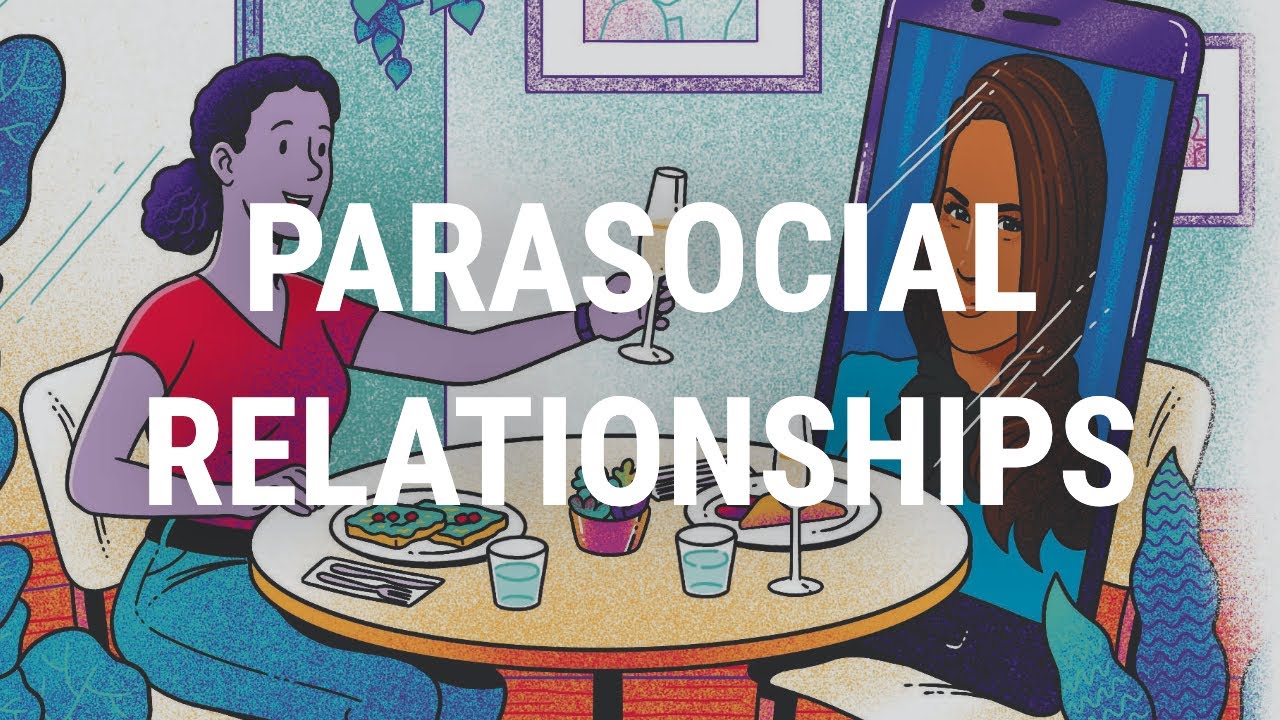

One ethical tension mentioned in Reamer (2024), was the issue of boundary crossing. The notion of clients being curious and searching their practitioner online isn’t something new or unheard of. Yet, in this digital age, it has become very common for individuals online to become parasocial; a term here depicting a one-sided relationship with an unreciprocated sense intimacy usually felt toward a celebrity or well-known figure. Through the BSW program, students were taught about how valuable carefully sharing parts of your own story could encourage clients to open up about their struggles, but there isn’t a strict guideline on what to share. My largest worry attached to boundary setting, is losing myself in the mist of being a professional. I don’t know many social workers, but as I have worked on campus as a resident assistant for the past three years, it has been recommended that my social pages stay private. In the setting on social work, I would never want my professionalism to be jeopardized or come into question but something I post in my personal time. I think the worries of being scrutinized professionally would cause social workers to feel weary when wanting to just be human. My aspiration is to work with children within this field. If a client were to approach me regarding my social media, I would do my best to explain that as my client, certain information about my life is personal. I would explain the importance of boundaries and that crossing a line placed could result in termination of our work together. There’s nothing I really disagree with in this article, surprisingly. I recently saw a video of a therapist being questioned about their clients. One question posed was if they’d thought their clients had potential to be their friends, and whether that was possible or not. This topic is of interest to me, but I understand that more likely than not, the answer is no.
I chose children ages 5-12 years old. The article mentioned how Gen-z was the first generation to grow up with technology and social media in their pocket, readily accessible. I think this is arguable to this age group. When I was growing up, I played outside and had active relationships with those around me. Though, there were a few instances where my social media presence exposed me to things more mature for my age. In this age range, the internet is all too accessible. Especially after COVID, the children are suffering academically. It has become more difficult for students to self-regulate. For these children to safely navigate the internet, social workers would need to inform them about the dangers of grooming and sexual exploitation. Another way would be to advocate for phone free schools, to minimize distractions.
Jontavynn,
The entire article by Reamer was about boundary crossing, so I am curious which aspect of his discussion you are addressing. Your discussion doesn’t really address any of the issues Reamer raises. He talks about clients reaching out after hours on social media. I’m not sure what you mean by “losing myself in the midst of being professional.” Are you saying that if you maintain strong boundaries, you can’t share on a personal level? It is true that there are things inappropriate to share with therapy clients, as there is a strong possibility for transference. That, to me, and I think to Reamer, does not mean that you can’t create a good, strong relationship with your client, built on trust and transparency. No one can tell you explicitly what to share and what not to share, but I think the issue is more about being genuine rather than sharing personal details.
Most of us work hard to establish good boundaries. We also learn the most about boundaries in the field, under good supervision, and from our mistakes.
It is true that most social workers aren’t on social media very much. It is for exactly the reason you suggest. It is easy to find us and whatever we say in a public setting can be seen by a client as more than it is. Some social workers have set up social media accounts without using identifying information, and that can be helpful if you have a strong need to connect using that medium. There are also settings you can use so your social media is talking to the people you want it to.
While you are correct, one of the issues the Haidt material raised was related to your comment, but there was really so much more. And the idea of this part was for you to talk about the evidence he sites and apply it to a group other than youth.
Dr P