

- The framework outlined in Sieck, et al illustrates the concept of digital literacy and the connections it has to every aspect of a person’s life. It has a connection in everything we do in our daily lives, banking, medicine, education, socializing, food production and access, navigation, to name a few. Its availability provides enhanced access to the supply of our daily needs. Because society relies on digital technology in every aspect, all the elements are important.
- Yes, the frameworks show that digital technology is connected to all aspects of our lives. We are dependent on digital technology. Access and training on its use can become a challenge for some sections of the population.
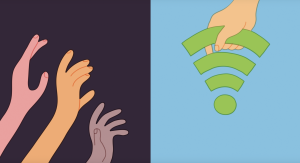
- Sanders and Scanlon’s description of the access to digital technology as a human rights issue was interesting when they addressed the digital technological disadvantage girls in other parts of the world face. So, not only is there a divide to access, but there is also a divide on gender. Digital technology has become a basic need to the world like air, food, shelter, and clothing, we cannot do without it, and it is discrimination to choose who receives it.
- The advocacy of states to equip its residents with education and access to broadband internet access is an initiative that can decrease the digital divide and enhance. In contrast, specifying an intended outcome can be shown to not be realistic. What method of measurement can be used to decide how effective education and access to digital technology has been achieved and over what period?
- The study by Criag, et al examined the use of technology to access cognitive behavior therapy for the LGBTQ population is an excellent idea. That community is targeted with a greater amount of discrimination rather than acceptance. Digital technology for this use can be seen as positive in reaching individuals that have mental health needs and are unable to secure it otherwise. For me, the element that showed the most effectiveness was the use of game-based platforms to reach and deliver psychoeducation and skills to LQBTQ teens and it showed a significant decrease in depression. Notably common within all the examples is lack of access and education to digital technology can lead to a digital divide among certain groups.
Yes, I didn’t realize how big a social issue digital access and literacy really are until reading Sieck’s article, and it helped frame it in a way that makes perfect sense. It’s crazy to think about how dependent our society has become on internet access. I also really liked your point that it’s discriminatory to decide who gets access and who doesn’t, that is something I hadn’t thought of in that way before. I completely agree that internet access is a basic human right because nearly every aspect of our lives now revolves around being connected. You also made a great point about how the lack of access creates a digital divide, especially among minority groups and people in rural areas.