Part 1
The ethical issue that made me the most uncomfortable in Reamer’s article was the possibility of relying too much on AI when making decisions about clients’ mental health. As a behavioral health case manager, I know how important assessment and referrals are. Reading about the risk of AI contributing to clients being misdiagnosed made me realize how easy it could become for professionals to rely on technology more than their own clinical judgment. Reamer points out that AI can be a useful tool, but it should never replace the social worker’s assessment because AI cannot accurately diagnose mental disorders on its own (Reamer et. al, 2023). In my opinion, every client situation (culture, history, language, emotions) is different.
One thing that came to mind while reading Reamer’s article was my own experience as a client using Grow Therapy. Before my appointments, Grow Therapy clearly informed me that my clinician used AI to assist with documentation. I appreciated the transparency because I knew upfront how the technology was being used, and it did not make me uncomfortable since the AI was supporting note-writing rather than making decisions about my care. That experience made me realize how important informed consent really is. As Reamer explains, clients should understand the benefits, risks, and purpose of AI so they can make informed decisions about whether they are comfortable with its use.
I agree with Reamer that AI can improve social work practice when used responsibly. It can help organize documentation and increase efficiency, allowing social workers to spend more time engaging with clients. However, we should not rely on it all the time simply because it saves time. Clients deserve to know they are being heard by another person, and not just a data statistic. One of the reasons I chose social work
If I had to explain my ethical position to a client today, I would tell them that AI may be used to support administrative tasks such as documentation and organization, but it will never replace my professional judgment or the relationship we build together. I would also explain how their information is protected and answer any questions they have before using technology in their care. I believe being transparent builds trust, and trust is one of the most important parts of building rapport and healthy relationships.
Part 2
The platform I see affecting clients the most is Facebook, though some also spend significant time on TikTok and YouTube. I have worked with clients who spend hours scrolling through social media while also reporting loneliness, poor sleep, increased anxiety, and depression. Some compare their lives to what they see online and come to believe that everyone else is happier or more successful than they are. Others become overwhelmed by constant negative news or online conflict, which only increases their stress. What made Haidt and Rausch’s argument convincing to me was that they did not rely on just one study. They brought together evidence from young people, parents, clinicians, internal company documents, and multiple research methods to support their argument that heavy social media use can negatively affect mental health (Haidt, Rausch, et. al 2026).
At the same time, I think their argument becomes more complicated when working with adults in behavioral health. I have clients who use Facebook support groups to connect with people who understand what they are going through. Others use technology to attend telehealth appointments, receive medication reminders, or find community resources. For clients who struggle with transportation or social isolation, those connections can be beneficial. Because of that, I do not think the answer is simply telling clients to stop using social media.
One message from the TED Talk that I especially appreciated was Haidt’s sense of cautious hope. He did not argue that technology should disappear. Instead, he encouraged people to become more thoughtful about how they use it and to rebuild opportunities for genuine human connection. That perspective makes sense to me as a future clinical social worker. Working in behavioral health has shown me that technology has its good and bad sides. My role as a social worker is not to tell clients to eliminate technology because, let’s be honest, it’s a tech world, but to help them recognize when it helps and when it doesn’t serve their best interests. That may mean helping clients create healthier boundaries with technology. I believe that a balanced approach respects clients’ autonomy while also promoting their overall mental health and well-being.

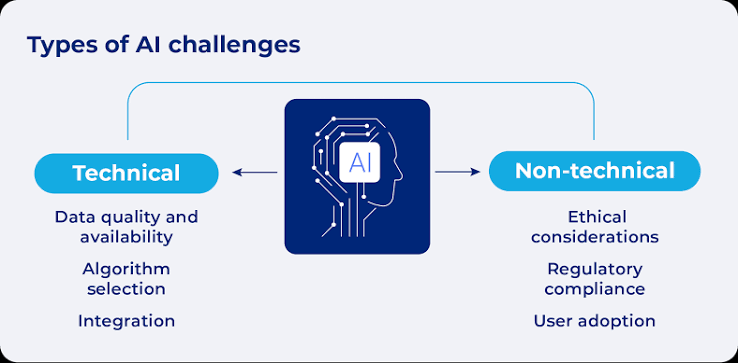

I actually think AI should be part of the diagnostic process rather than removed from it completely. In my experience working at an organization where people were misdiagnosed just to keep them enrolled in a program, it’s obvious that humans make serious mistakes too. Because of that, having both a human clinician and an AI system working together could reduce errors and create a more honest, accurate assessment for clients. AI shouldn’t replace clinicians, but it can serve as an additional check that keeps the process accountable.
I also think there’s a big misconception that only young people are addicted to social media. That’s not true at all, and both your post and Haidt’s article make that clear. Adults struggle with it just as much, sometimes even more, because it becomes part of their daily routine, their coping strategies, or their social life. I see this in my own habits. I catch myself scrolling Reddit for at least an hour a day, and I know that’s more than I’d like. It shows how these platforms pull people in regardless of age.
As for Haidt’s suggestion about switching completely back to books, I don’t fully agree. I think the better approach is blending technology and traditional reading rather than choosing one over the other. Technology isn’t going away, and books still have value, so finding a balance makes more sense. We can utilize technology in ways that support learning and mental health without letting it dominate every aspect of our lives.
Asabea,
Your point is well taken that transparency is essential. I would be interested to hear your thinking in the next blog post. If we are going to consider AI as a supplemental tool in our practice, what should we worry about? I have tried to be transparent about how I use AI in preparing assignments, and I am working hard to learn more ways it can supplement learning. But it isn’t always easy to understand the differences and to know where the lines are, right?
I think the absolute avoidance of all tech probably isn’t very realistic for adults, and that is one of the differences when applying their findings to other populations. But I also think they have talked about social media and other technology being available in very intentional and controlled circumstances. He says don’t let anyone under 16 open a social media account – not no one every.
We are having trouble finding a balance because the technology works to try and keep us from finding one.
Good discussion.
Dr P